NCU Co-hosts “Performing Arts System and Cultural Inheritance and Development International Academic Symposium in Commemoration of the 130th Anniversary of Mei Lanfang’s Birth”
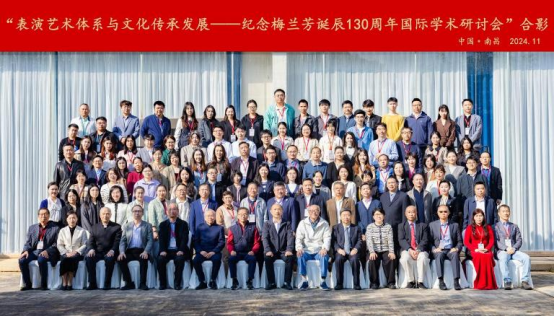
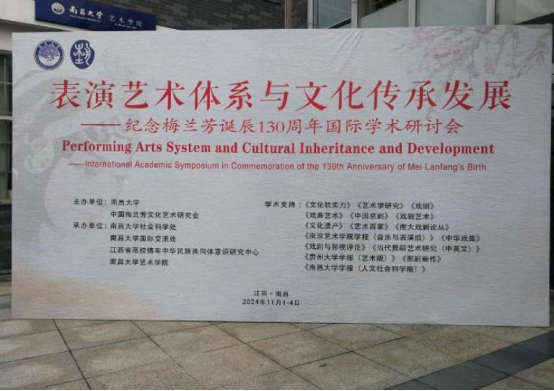
As autumn transitions to winter and the fragrance of osmanthus fills the air, we mark the 10th anniversary of General Secretary Xi Jinping presiding over the Symposium on Literature and Art Work and delivering an important speech, as well as the 130th anniversary of the birth of the Peking Opera master, Mr. Mei Lanfang. From November 1 to 4, the “Performing Arts System and Cultural Inheritance and Development — International Academic Symposium in Commemoration of the 130th Anniversary of Mei Lanfang's Birth” was held in Nanchang, Jiangxi. The conference was co-hosted by Nanchang University (NCU) and the China Mei Lanfang Culture and Arts Research Association (hereinafter referred to as the Association). More than 100 experts and scholars from over 40 universities and research institutes at home and abroad gathered for this academic feast. They exchanged academic ideas, studied the inheritance and continuity of excellent traditional Chinese culture, explored Mei Lanfang’s artistic achievements and his contributions to Chinese civilization, and discussed ways to enhance the international communication and influence of Chinese art.
On the morning of November 2, the opening ceremony was held. Ge Gang, Vice President of Nanchang University, attended and announced the opening of the conference.
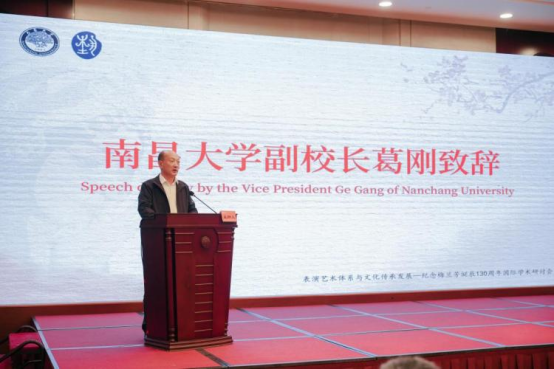
In his remarks, Ge Gang pointed out that the convening of this international academic symposium is timely and significant. It serves as a soulful remembrance and solemn commemoration of Mr. Mei Lanfang. By deeply exploring his artistic thoughts and performance system, we can more comprehensively and profoundly understand his immense contributions to Chinese Peking Opera and world drama, thereby better inheriting and promoting his artistic spirit. He noted that the symposium is also an academic feast held against the backdrop of promoting the construction of the Three Major Systems (discipline, academic, and discourse systems). Mr. Mei Lanfang’s performance art system emphasizes the combination of tradition and innovation, which aligns with General Secretary Xi Jinping’s requirement to “root in the fertile soil of national culture and form an art discipline system, academic system, and discourse system with Chinese characteristics”.
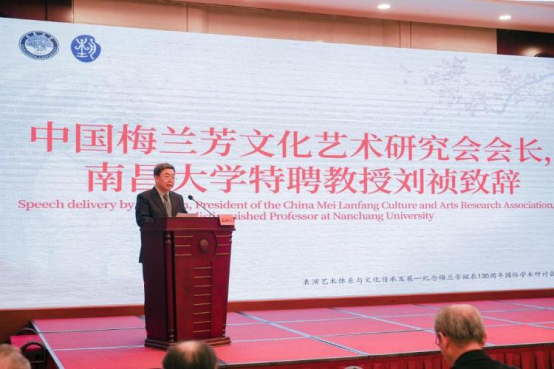
Liu Zhen, President of the Association and Distinguished Professor at Nanchang University, stated in his speech that Mr. Mei Lanfang was a great stage artist of the 20th century, an outstanding patriotic hero, and a promoter of the overseas dissemination of Chinese culture. With both moral integrity and artistic excellence, and a high degree of cultural self-awareness, he constructed the Mei Lanfang performing arts system, growing from the King of Actors into a true people’s artist and a Creator of Beauty. Liu emphasized that holding this symposium has special commemorative significance.
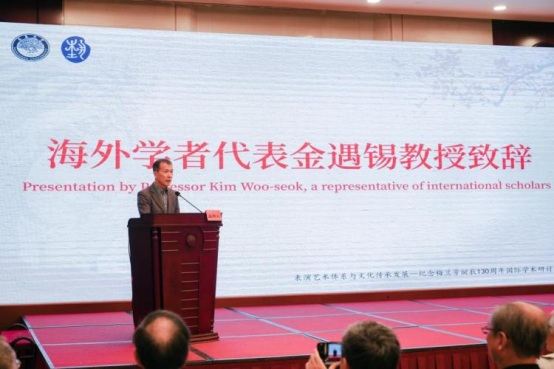
Professor Kim Woo-seok from Inha University, South Korea, delivered remarks as a representative of overseas scholars. He expressed that the unique performance system created by Master Mei Lanfang for Chinese and even Asian opera arts has made outstanding contributions to the development of world drama in the 20th century. With his exquisite artistic attainments and noble artistic spirit, Mr. Mei became a messenger of peace transcending national borders and a practitioner of the eternal theme that “art can promote peace”.
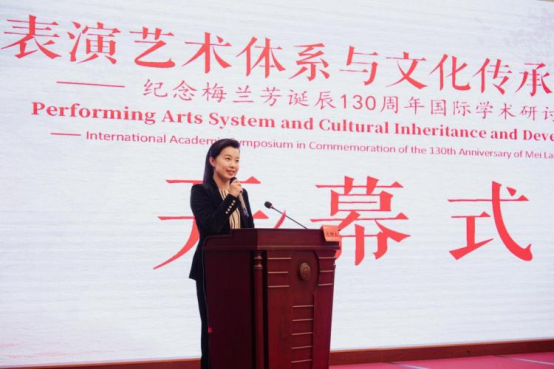
The opening ceremony was presided over by Professor Zheng Lu, Dean of the School of Arts at Nanchang University.
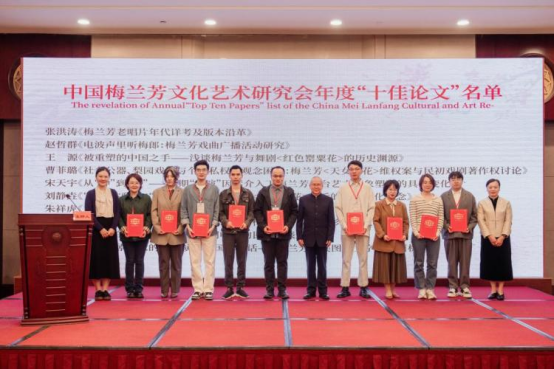
During the opening ceremony, Zhang Jing, Secretary-General of the Association, announced the list of the Association’s annual “Top Ten Papers”. Professor Zheng Chuanyin (Advisor to the Association), Professor Zhang Tingting (Vice President of the Association), and Ye Rong (Director of the Art Division of the Jiangxi Provincial Department of Culture and Tourism) presented certificates to the winners.
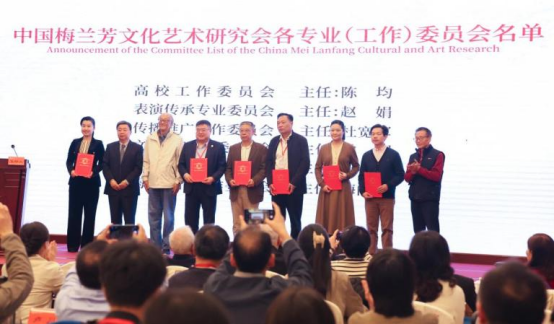
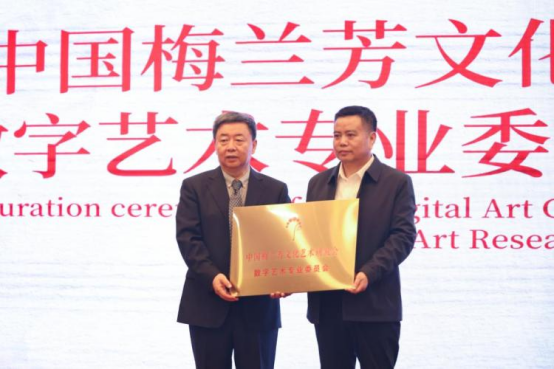
Zhang Jing also announced the list of heads for the Association's six professional (working) committees. President Liu Zhen, Professor Zhou Yude (National Academy of Chinese Theatre Arts), and Distinguished Professor Zhang Guozuo (Hunan University) issued letters of appointment to the directors of the committees. An unveiling ceremony was held for the Digital Art Professional Committee of the Association, which is established at the School of Arts of Nanchang University, marking the beginning of further deepened cooperation between the two parties.
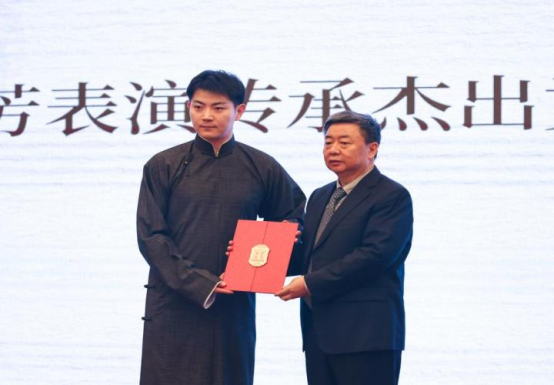
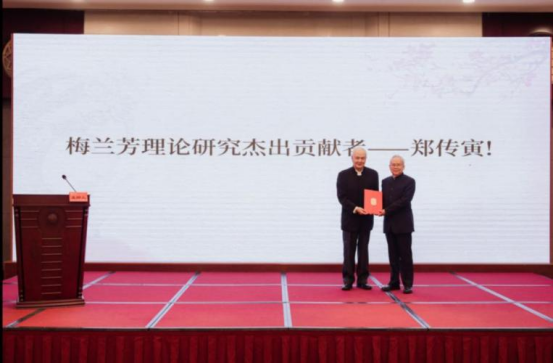
Zhang Tingting, Vice President of the Association, announced the recipients of the honorary title of “Outstanding Contributor”. President Liu Zhen and Advisor Li Wenpei presented honorary certificates to Li Yufu for Outstanding Contribution to Mei Lanfang Performance Inheritance and Zheng Chuanyin for Outstanding Contribution to Mei Lanfang Theoretical Research. The list of winners of the First Nanchang University Art Criticism Writing Contest was also announced.
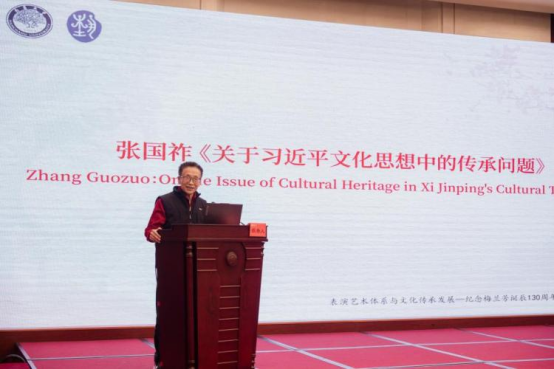
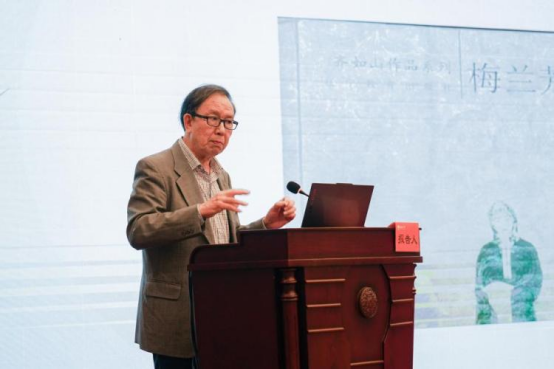
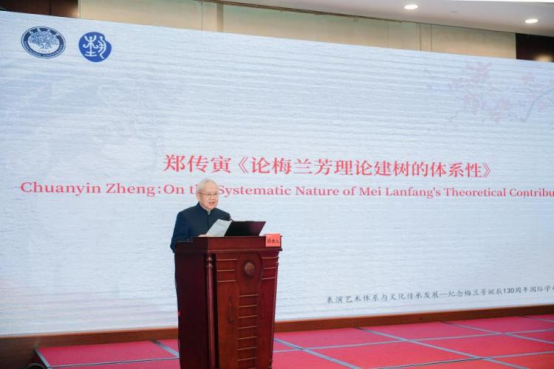
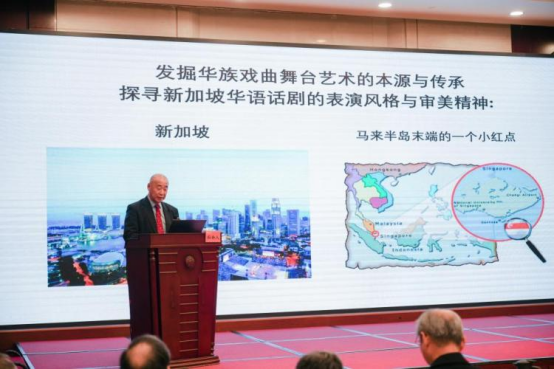
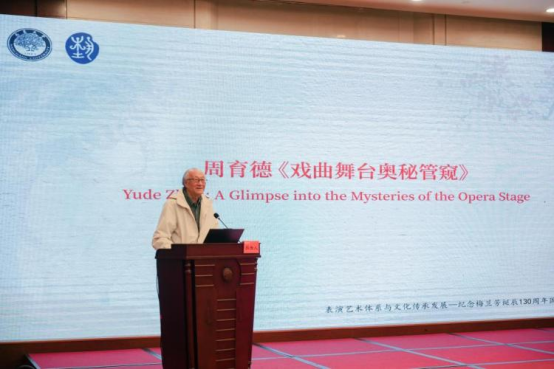
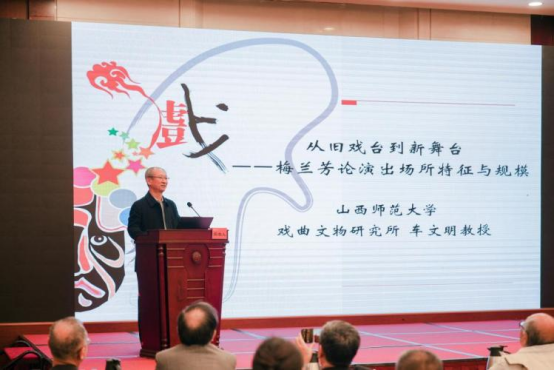
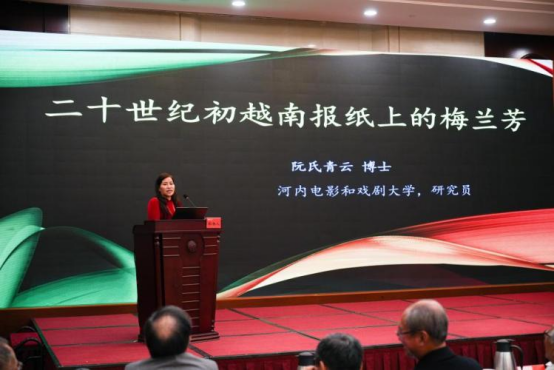
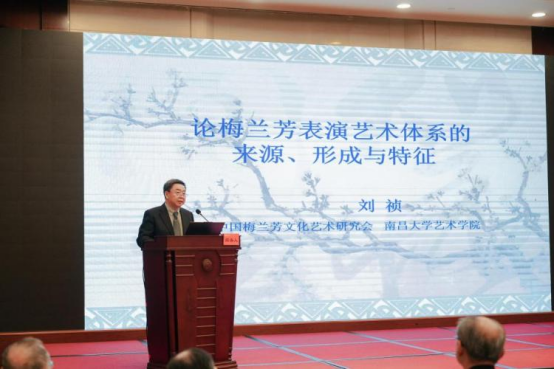
Following the opening ceremony, the keynote report session began, hosted by Zhang Tingting, Professor at the Shanghai Film Academy, Shanghai University. Zhang Guozuo, Chief Expert of the Central Marxist Theory Research and Construction Project, delivered a speech on “On the Issue of Cultural Heritage in Xi Jinping’s Cultural Thought”. Du Wenwei, Tenured Professor at Vassar College (USA), elaborated on the development and dissemination of Mei Lanfang’s The Fisherman’s Revenge overseas. Zheng Chuanyin, Professor at Wuhan University, discussed the systematic nature of Mei Lanfang’s theoretical contributions. Yu Weijie, Lead Education Associate at the University of the Arts Singapore, analyzed the artistic characteristics and aesthetic spirit of Singaporean Mandarin drama. Zhou Yude, Professor at the National Academy of Chinese Theatre Arts, led the audience to explore the mysteries of the opera stage. Che Wenming, Professor at Shanxi Normal University, analyzed the characteristics and scale of performance venues discussed by Mei Lanfang. Nguyen Thi Thanh Van, Researcher at the Hanoi Academy of Theatre and Cinema (Vietnam), presented Mei Lanfang as depicted in Vietnamese newspapers in the early 20th century. Liu Zhen conducted an in-depth theoretical analysis of the origin, formation, and characteristics of the Mei Lanfang performing arts system.
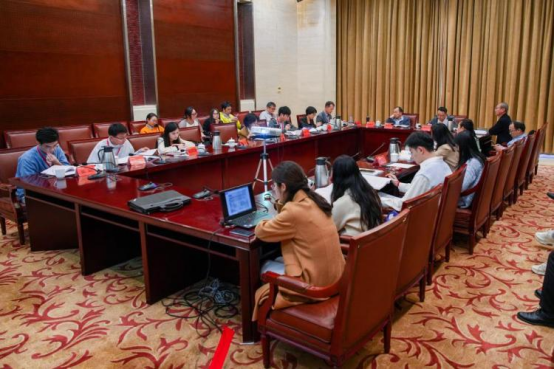
On the afternoon of November 2, group discussions were held. Experts and scholars were divided into three groups to discuss topics such as Xi Jinping’s cultural thought, the Mei Lanfang performing arts system, major frontiers in art studies, cultural inheritance and development, national cultural digitization strategy, and Gan culture and arts.
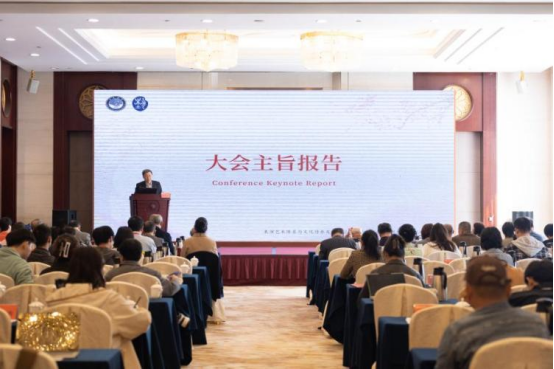
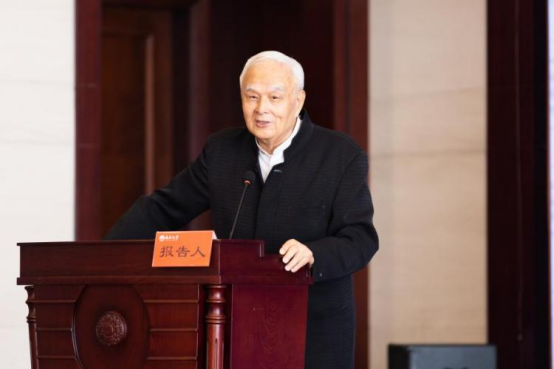
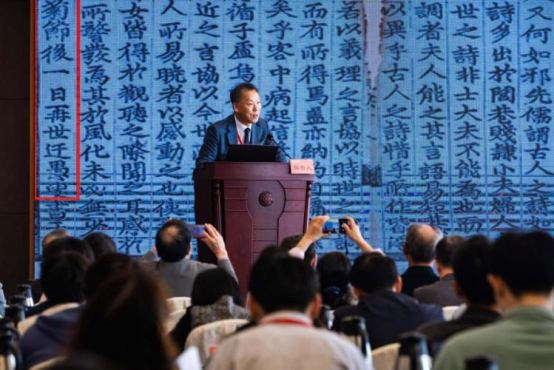
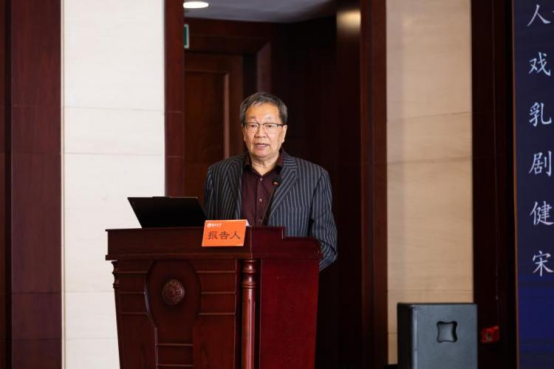
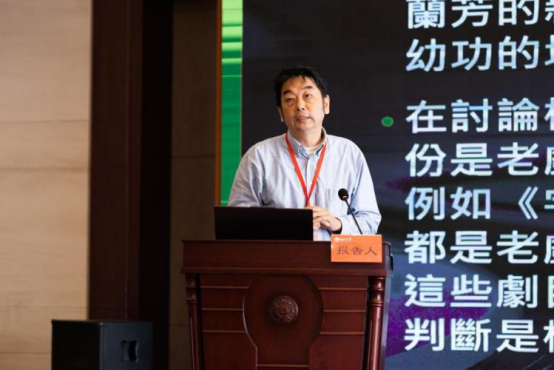
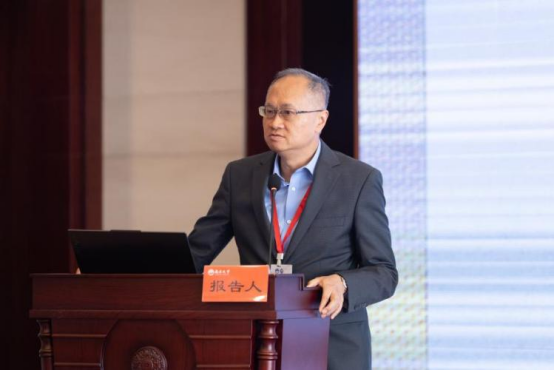
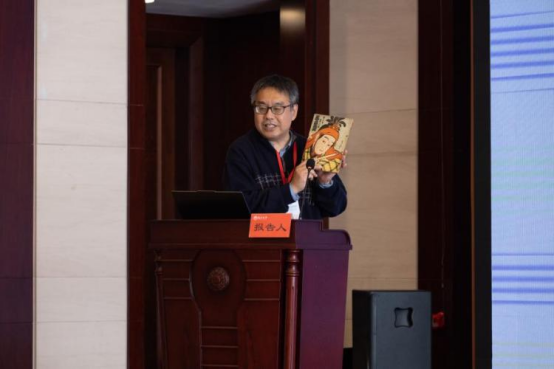
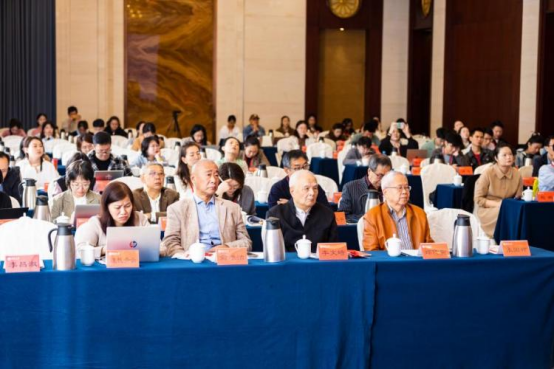
On the morning of November 3, the keynote report session continued, presided over by Liu Zhen. Li Wenpei, First-Class Artist at the China National Peking Opera Company, spoke on Ink Opera Painting and Peking Opera. Lee Chang-sook, Professor at Seoul National University, analyzed the value of Wulun Quanbei Ji. Liu Xinhe, Researcher at the Inner Mongolia Arts Research Institute, focused on Training Class Teaching in the study of Mei Lanfang's system. Li Yuanhao, Associate Professor at National Central University (Taiwan), examined the Peking Opera schools from the perspective of the dissemination of the Mei School. Leung Bo-wah, Professor at the Education University of Hong Kong, emphasized the role of opera in inheriting and developing modern Chinese civilization. Sasaki Miki, a Japanese scholar, shared records of Mei Lanfang’s 1919 visit to Japan.
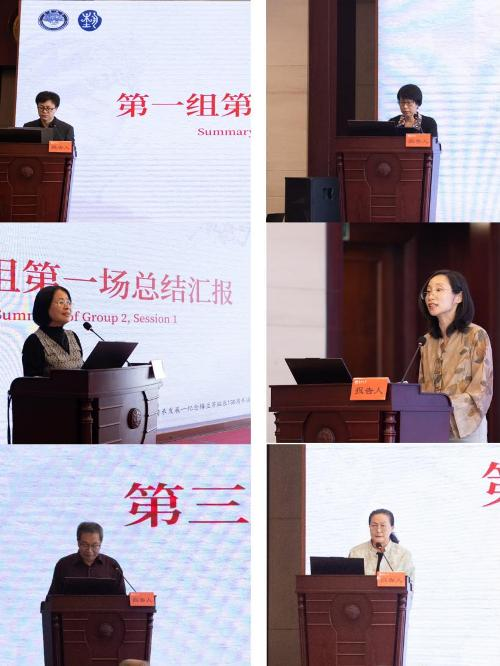
Following the reports, a summary meeting for the group discussions was held, presided over by Professor He Shijian, Vice Dean of the School of Arts at Nanchang University. Representatives from each group reported on their discussion hotspots, research results, and academic consensus.
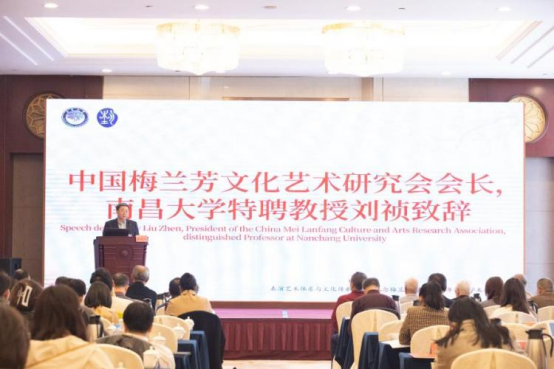
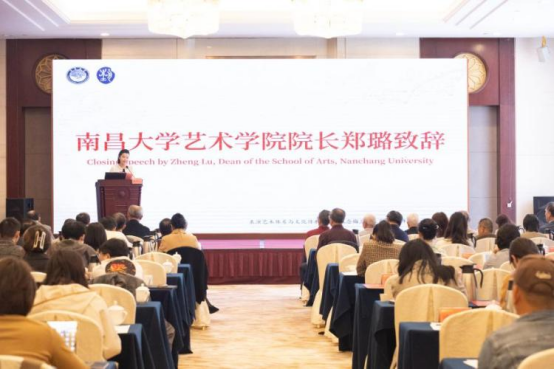
Subsequently, the closing ceremony was held. Liu Zhen and Zheng Lu delivered closing remarks respectively, congratulating the conference on its complete success. They expressed gratitude to the experts, scholars, and staff, and extended sincere thanks to the organizers, academic support units, and media friends. They also put forward new expectations for further promoting “Mei Studies” and the innovative development of excellent traditional Chinese culture.
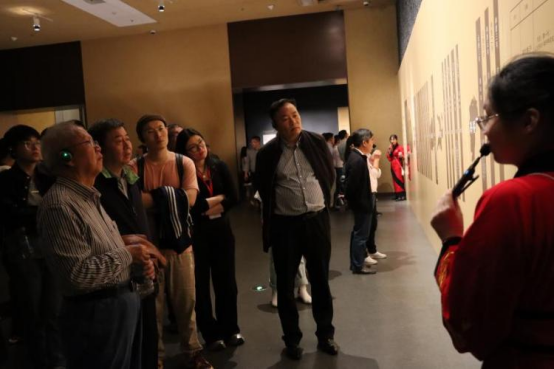
On the afternoon of November 3, experts and scholars visited the Nanchang Relic Museum for Marquis Haihun State of Han Dynasty for a cultural and artistic inspection.
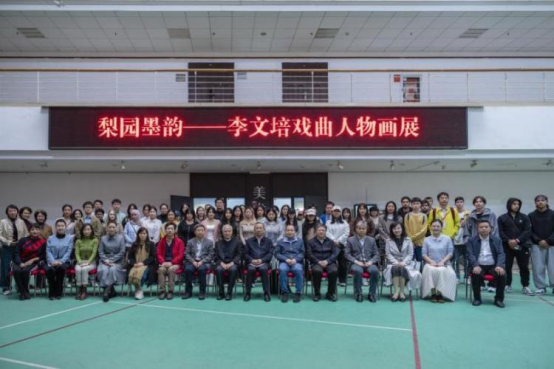
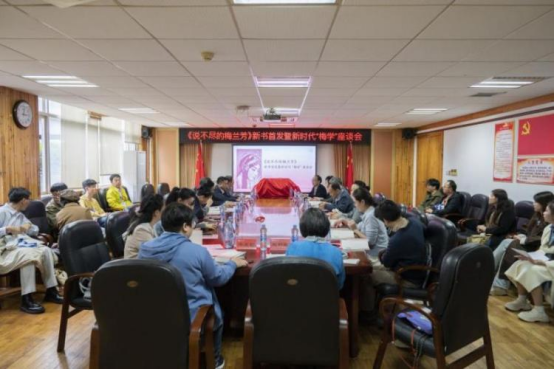
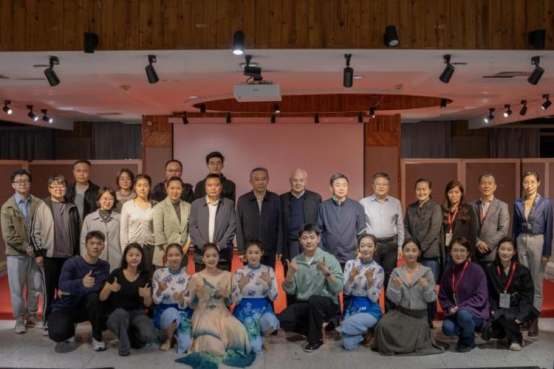
During the conference, the organizers also held supporting activities at Nanchang University, including the Li Wenpei Opera Figure Painting Exhibition, the new book launch of Endless Mei Lanfang and the Mei Studies Symposium in the New Era, and the “Mei Fragrance Fills Nanchang” Opera Theme Salon. Professor Chen Shifa, Vice President of Nanchang University, and Teng Yongqian, Director of the United Front Work Department of the University Party Committee, attended these activities.
This academic symposium was jointly organized by the Office of Social Sciences and the Office of International Exchange of Nanchang University, the Research Center for Casting a Strong Sense of Community for the Chinese Nation in Jiangxi Universities, and the School of Arts of Nanchang University. Academic support was provided by 16 academic journals, including Cultural Soft Power, Journal of Art Studies, Drama, Journal of College of Chinese Traditional Opera, Jingju of China, Theatre Arts, Journal of Cultural Heritage, A Hundred Schools in Arts, Nanjing University Journal of Theatre Studies, Journal of Nanjing Arts Institute (Music & Performance), Chinese Traditional Opera, Journal of Theatre and Film Arts Review, Contemporary Dance Research, Journal of Guizhou University (Art Edition), New Films and Plays, and Journal of Nanchang University (Humanities and Social Sciences).
.png)